E-Transport Legislation

The Complete Guide to Legal Compliance with RO e-Transport

E-Transport Legislation

The Complete Guide to Legal Compliance with RO e-Transport

What is
ro
e-Transport

RO e-Transport is a national electronic system that monitors the road transport of goods considered high fiscal risk, both within Romania and during international transport.

The system is designed to prevent tax evasion and fraud by tracking transports in real time, using a unique identification code (UIT code) and GPS data.

Step-by-step process:

  1. Declaration before transport:
    The operator submits an electronic declaration through the SPV (Virtual Private Space), providing all necessary transport details.

  2. Generation of UIT code:
    After submission, the system generates a unique identification code (UIT code) for that transport.

  3. Driver access to UIT code:
    The UIT code must be made available to the driver, who carries it throughout the transport.

  4. Real-time GPS monitoring:
    The vehicle’s GPS data is transmitted to the authorities, allowing continuous tracking of the transport routeand ensuring compliance.


  •  

What is
ro
e-Transport

RO e-Transport is a national electronic system that monitors the road transport of goods considered high fiscal risk, both within Romania and during international transport.

The system is designed to prevent tax evasion and fraud by tracking transports in real time, using a unique identification code (UIT code) and GPS data.

Step-by-step process:

  1. Declaration before transport:
    The operator submits an electronic declaration through the SPV (Virtual Private Space), providing all necessary transport details.

  2. Generation of UIT code:
    After submission, the system generates a unique identification code (UIT code) for that transport.

  3. Driver access to UIT code:
    The UIT code must be made available to the driver, who carries it throughout the transport.

  4. Real-time GPS monitoring:
    The vehicle’s GPS data is transmitted to the authorities, allowing continuous tracking of the transport routeand ensuring compliance.

Who is subject to e-Transport regulations?

DECLARANT
(UIT REPORTING ENTITY)


• generates UIT code
• transmits UIT code->

TRANSPORT ORGANISER

• updates the vehicle registration number in UIT when changing the vehicle
• transmits UIT code ->


TRANSPORT OPERATOR

• reports the GPS coordinates to ANAF
• transmits UIT code ->

DRIVER

• starts and stops GPS monitoring
• has a UIT code and presents it during inspections

What type of transports have to be declared?

DOMESTIC

All shipments of high fiscal risk goods (HFRG) that originate and terminate within Romania.

IMPORT - EXPORT

Any transport that begins or ends in Romania — including imports, exports, acquisitions, or intra-community deliveries. The system covers all goods with a weight over 500 kg or a value exceeding 10.000 RON.

TRANSIT

All transports transiting Romania without having their final destination in the country, but only when the goods are unloaded for storage or to organize a subsequent transport.

Everything You Need to Know About UIT Codes

The UIT Code (Transport Identification Unit) is a unique, 16-character alphanumeric identifier generated by the RO e-Transport system. It is used to identify shipments of goods with high fiscal risk. This code is mandatory for all applicable transports and must appear on the transport document—either in printed or electronic format — throughout the entire trip.

The UIT code is generated by the transport declarant, i.e., the UIT reporting entity designated under art. 8, par. (1) of GEO 41/2022. Depending on the type of transport, the declarant may be:

  • The Supplier – for domestic transports.

  • The Importer or the Beneficiary in Romania – for intra-community acquisitions and imports.

  • The Exporter or the Supplier in Romania – for intra-community deliveries or extra-community exports.

  • The Depositary – for goods in transit or forming part of a groupage.

Important: The transport organizer (forwarding company) is responsible, in certain situations, for updating vehicle information but does not generate the UIT code unless it also qualifies as a declarant.

The code is obtained through:

  1. The RO e-Transport system, accessed via the Virtual Private Space (SPV), with manual generation through authentication using a digital certificate (token).

  2. Third-party applications integrated with ANAF (e.g., LoadHub), which automatically transmit the data to ANAF and return the UIT code.

The UIT code must be generated before the vehicle starts its trip:

  • National transport – Required only for goods with high fiscal risk (HFRG) transported by vehicles with a maximum authorized mass (MTMA) of 2.5 tons, and if the shipment exceeds 500 kg or 10.000 RON.

  • International transport – Required for all goods exceeding 500 kg or 10.000 RON per transport, including imports, exports, intra-community acquisitions (AIC), and intra-community deliveries (LIC). The UIT code must be generated before the vehicle reaches the border crossing point when entering Romania.

The validity of a UIT code depends on the type of transport:

  • Domestic transport: 5 working days or 7 calendar days

  • Intra-community transport: 15 calendar days

The validity period starts from the date declared as the commencement of the transport.

Important: Road transport operators are strictly prohibited from using a UIT code beyond its validity period.

Roles and Responsibilities for the UIT Code:

  • Declarant: Generates the UIT code for the goods before the transport begins (or before the goods enter Romania) and transmits it to the Transport Organizer.

  • Transport Organizer: Receives the UIT code from the declarant and sends it to the Operator and/or the driver. The Organizer is responsible for updating the vehicle information in the code if needed.

  • Driver: Must have the UIT code available for inspection at all times and is responsible for starting and stopping the GPS monitoring associated with that code.

Mandatory e-Transport Declaration Criteria

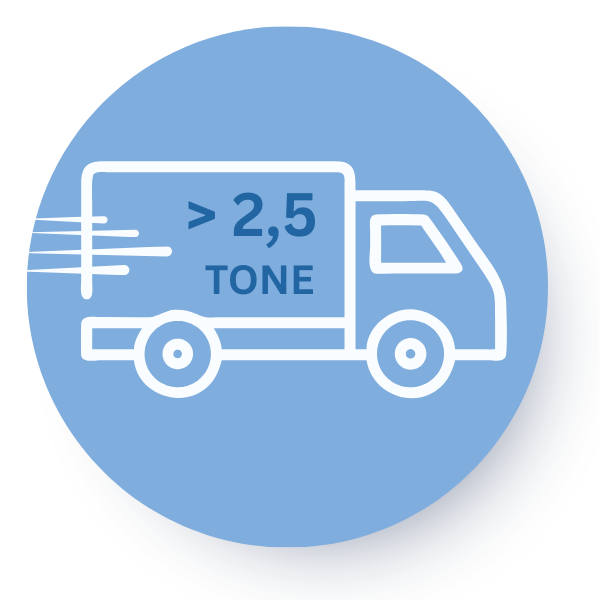
+ 2.5 t

The transport vehicle has a maximum authorized mass (MMA) exceeding 2.5 tons

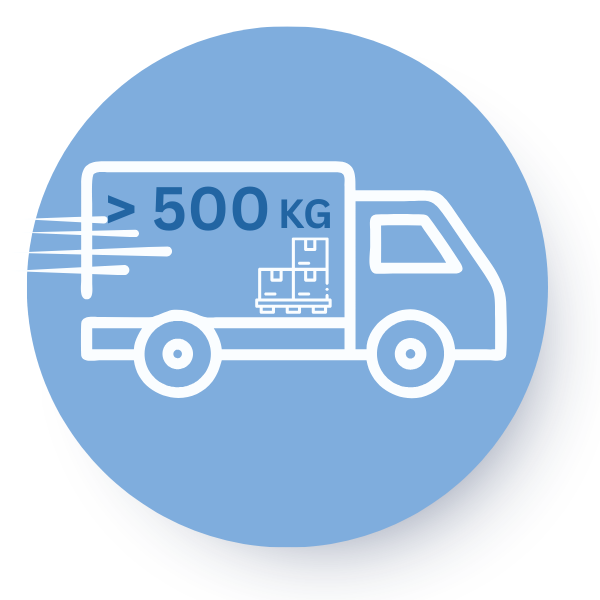
+ 500 kg

The total weight of the transported goods exceeds 500 kg

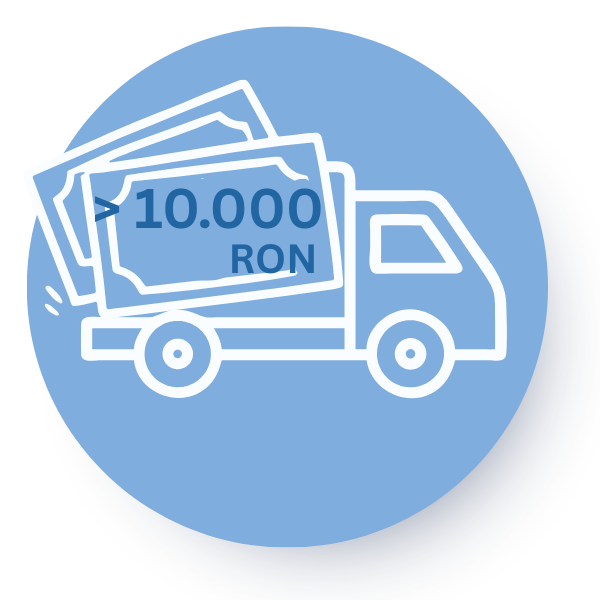
+ 10.000 RON

The total value of the consignment freight exceeds 10.000 RON, excluding VAT.

Discover how LoadHub works:

Create a company account

Connect digital signature token

Set up an account in 5 minutes

High Fiscal Risk Goods HFRG

In national transport, the obligation to generate a UIT code applies only to goods listed as high fiscal risk (HFRG).

For international transports — including imports, exports, intra-community acquisitions (AIC), and intra-community deliveries (LIC) — the UIT code is mandatory for all types of goods, regardless of industry, whenever the thresholds of 500 kg or 10.000 RON per transport are exceeded.

  • CN Code 0701 – Potatoes, fresh or chilled

  • CN Code 0702 – Tomatoes, fresh or chilled

  • CN Code 0703 – Onions, shallots, garlic, leeks, and other alliaceous vegetables, fresh or chilled

  • CN Code 0704 – Cabbages, cauliflowers, kale, turnips, and similar edible products of the genus Brassica, fresh or chilled

  • CN Code 0705 – Lettuce (Lactuca sativa) and chicory (Cichorium spp.), fresh or chilled

  • CN Code 0706 – Carrots, turnips, beetroot for salad, black salsify, celeriac, radishes, and similar edible roots, fresh or chilled

  • CN Code 0707 – Cucumbers and gherkins, fresh or chilled

  • CN Code 0708 – Leguminous vegetables, shelled or unshelled, fresh or chilled

  • CN Code 0709 – Other vegetables, fresh or chilled

  • CN Code 0710 – Vegetables, uncooked or cooked by steaming or boiling in water, frozen

  • CN Code 0711 – Provisionally preserved vegetables, but unsuitable for immediate consumption in that state

  • CN Code 0712 – Dried vegetables, cut into slices or pieces, or even crushed or pulverized, but not further prepared

  • CN Code 0713 – Dried leguminous vegetables, shelled or unshelled, or even peeled or crushed

  • CN Code 0714 – Cassava roots, arrowroot or salep roots, artichokes, sweet potatoes and similar roots and tubers, with high starch or inulin content, fresh, chilled, frozen, or dried, even cut into pieces or in the form of pellets; sago core

  • CN Code0801 – Coconuts, Brazilian nuts, and cashew nuts, fresh or dried, shelled or unshelled

  • CN Code 0802 – Other nuts (almonds, hazelnuts, chestnuts, pistachios, macadamia nuts, cola nuts, areca nuts, pine nuts, pecan nuts), fresh or dried, shelled or unshelled

  • CN Code 0803 – Bananas, including plantains, fresh or dried

  • CN Code 0804 – Dates, figs, pineapples, avocados, guavas, mangoes, and mangosteens, fresh or dried

  • CN Code 0805 – Citrus fruits (oranges, mandarins, clementines, grapefruit, pomelos, lemons, limes), fresh or dried

  • CN Code 0806 – Grapes (table grapes, currants, raisins), fresh or dried

  • CN Code 0807 – Melons (including watermelons) and papaws, fresh

  • CN Code 0808 – Apples, pears, and quinces, fresh

  • CN Code 0809 – Apricots, cherries, peaches (including nectarines), plums, and sloes, fresh

  • CN Code 0810 – Other fruits, fresh (strawberries, raspberries, mulberries, blackberries and hybrids, currants, gooseberries, cranberries, blueberries, kiwi, durian, kaki, tamarind, cashew apples, lychees, jackfruit, sapodillo plums, passion fruit, carambola, pitahaya)

  • CN Code 0811 – Fruit, cooked or not by steaming/boiling, frozen, may contain added sugar or other sweeteners

  • CN Code 0812 – Fruit provisionally preserved, but unsuitable for immediate consumption

  • CN Code 0813 – Dried fruit, other than 0801–0806; mixtures of dried fruit or nuts

  • CN Code 0814 – Peel of citrus fruits or melons (including watermelons), fresh, frozen, dried, in brine, in sulphur water, or in other preservative solutions

  • CN Code 2201 – Waters, including natural or artificial mineral waters and aerated waters, not containing added sugar, sweeteners or flavourings; includes ice and snow.
  • CN Code 2202 – Waters, including mineral and aerated waters, containing added sugar, sweeteners, or flavourings, and other non-alcoholic beverages (excluding fruit, nut, or vegetable juices of heading 2009), e.g.:

    • Non-alcoholic beer

    • Soya-based beverages

  • CN Code 2203 – Beer made from malt

  • CN Code 2204 – Wine of fresh grapes, including fortified wines; grape musts (excluding section 2009), e.g.:

    • Sparkling wines

    • Champagne, Cava, Prosecco, Asti Spumante

    • Wines with a Protected Geographical Indication (PGI) or a Protected Designation of Origin (PDO)

  • CN Code 2205 – Vermouths and other wines of fresh grapes, flavoured with plants or aromatic substances

  • CN Code 2206 – Other fermented beverages (e.g., cider, perry, mead, saké); mixtures of fermented beverages or of fermented and non-alcoholic beverages, n.e.s., e.g.:

    • Piquette

    • Sparkling wines

    • Cider and perry

  • CN Code 2207 – Undenatured ethyl alcohol, ≥ 80% vol; ethyl alcohol and other denatured spirits of any strength

  • CN Code 2208 – Undenatured ethyl alcohol, < 80% vol; distillates, spirits, liqueurs, and other spirituous beverages, e.g.:

    • Spirits obtained by distilling grape wine or grape marc (cognac, armagnac, brandy, grappa)

    • Whisky, rum, and other spirits, obtained through the distillation of sugar cane products

    • Gin, juniper brandy, vodka, liqueurs, ouzo, tequila

  • CN Code 2505 – Natural sands of all kinds, whether or not coloured (excluding metalliferous sands of Chapter 26)

    • Includes siliceous sands and quartz sands

  • CN Code 2506 – Quartz (excluding natural sands) and quartzites

    • Whether or not roughly trimmed or merely cut, by sawing or otherwise, into blocks or slabs of rectangular (including square) shape

  • CN Code 2507 – Kaolin and other kaolinic clays, whether or not calcined

  • CN Code 2508 – Other clays (excluding expanded clays of section 6806), andalusite, kyanite, sillimanite

    • Whether or not calcined

    • Includes mullite, chamotte, or dinas earths

  • CN Code 2509 – Chalk

  • CN Code 2510 – Natural calcium phosphates, natural aluminocalcium phosphates, and phosphatic chalk

  • CN Code 2511 – Natural barium sulphate (baryte) and natural barium carbonate (witherite)

    • Whether or not calcined

    • Excludes barium oxide of section 2816

  • CN Code 2512 – Siliceous fossil meals (e.g., kieselguhr, tripolite, diatomite) and similar siliceous earths

    • Whether or not calcined

    • Of apparent specific gravity of 1 or less

  • CN Code 2513 – Pumice; emery (grinding stone); natural corundum, natural garnet, and other natural abrasives

    • Whether or not heat-treated

  • CN Code 2514 – Slate

    • Whether or not roughly trimmed or merely cut, by sawing or otherwise, into blocks or slabs of rectangular (including square) shape

  • CN Code 2515 – Marble, travertine, ecaussine, and other calcareous monumental or building stones

    • Apparent specific gravity of 2.5 or more

    • Includes alabaster

    • Whether or not roughly trimmed or merely cut, by sawing or otherwise, into blocks or slabs of rectangular (including square) shape

  • CN Code 2516 – Granite, porphyry, basalt, sandstone, and other monumental or building stones

    • Whether or not roughly trimmed or merely cut, by sawing or otherwise, into blocks or slabs of rectangular (including square) shape

  • CN Code 2517 – Pebbles, gravel, broken or crushed stone commonly used for:

    • Concrete aggregates

    • Road metalling

    • Railway or other ballast

    • Includes shingle and flint, whether or not heat-treated

    • Macadam of slag, dross, or similar industrial waste, whether or not incorporating materials cited in 2515 or 2516

    • Tarred macadam, granules, chippings, and powder of stones of 2515 or 2516, whether or not heat-treated

  • CN Code 6101 – Men’s or boys’ overcoats, car coats, capes, windbreakers, jackets, and similar articles

    • Excludes articles of section 6103

  • CN Code 6102 – Women’s or girls’ overcoats, car coats, capes, windbreakers, and similar articles

    • Excludes articles of section 6104

  • CN Code 6103 – Men’s or boys’ suits, ensembles, jackets, blazers, trousers, bib and brace overalls, shorts, and breeches (other than swimwear)

  • CN Code 6104 – Women’s or girls’ suits, ensembles, jackets, blazers, dresses, skirts, divided skirts, trousers, bib and brace overalls, shorts, and breeches (other than swimwear)

  • CN Code 6105 – Men’s or boys’ shirts and blouses

  • CN Code 6106 – Women’s or girls’ shirts, blouses, and shirt-blouses

  • CN Code 6107 – Men’s or boys’ underpants, pyjamas, bathrobes, dressing gowns, and similar articles

  • CN Code 6108 – Women’s or girls’ slips, petticoats, briefs, nightgowns, pyjamas, dressing gowns, and similar articles

  • CN Code 6109 – T-shirts, blouses, and tank tops

  • CN Code 6110 – Jerseys, pullovers, cardigans, waistcoats, and similar articles

    • Includes thin knitwear worn under pullovers

  • CN Code 6111 – Babies’ garments and clothing accessories

  • CN Code 6112 – Tracksuits, ski suits and suits, briefs, and swimwear

  • CN Code 6113 – Garments made up of knitted or crocheted materials of sections 5903, 5906, or 5907

  • CN Code 6114 – Other garments made up of knitted or crocheted materials

  • CN Code 6115 – Pantyhose, tights, stockings, socks, and similar articles

    • Includes progressive compression stockings (e.g., for varicose veins)

    • Includes footwear without applied soles

  • CN Code 6116 – Gloves, mittens, and mitts

  • CN Code 6117 – Other accessories made of knitted or crocheted garments

    • Includes parts of garments or clothing accessories

  • CN Code 6201 – Men’s or boys’ overcoats, carcoats, capes, cloaks, anoraks (including ski jackets), windbreakers, and similar articles

    • Includes padded and sleeveless jackets

    • Excludes articles of heading 6203

  • CN Code 6202 – Women’s or girls’ overcoats, carcoats, capes, cloaks, anoraks (including ski jackets), windbreakers, and similar articles

    • Includes padded and sleeveless jackets

    • Excludes articles of heading 6204

  • CN Code 6203 – Men’s or boys’ suits, ensembles, suit-type jackets, blazers, trousers, bib and brace overalls, breeches, and shorts

    • Excludes swimwear

  • CN Code 6204 – Women’s or girls’ suits, ensembles, suit-type jackets, blazers, dresses, skirts, divided skirts, trousers, bib and brace overalls, breeches, and shorts

    • Excludes swimwear

  • CN Code 6205 – Men’s or boys’ shirts and short-sleeved shirts

  • CN Code 6206 – Women’s or girls’ shirts, blouses, shirt-blouses, and short-sleeved shirts

  • CN Code 6207 – Men’s or boys’ singlets, undershirts, underpants, briefs, nightshirts, pyjamas, bathrobes, dressing gowns, and similar articles

  • CN Code 6208 – Women’s or girls’ singlets, undershirts, slips, petticoats, briefs, panties, nightdresses, pyjamas, negligees, bathrobes, dressing gowns, and similar articles

  • CN Code 6209 – Babies’ garments and clothing accessories

  • CN Code 6210 – Garments made from fabrics of sections 5602, 5603, 5903, 5906, or 5907

  • CN Code 6211 – Sportswear (tracksuits), ski suits, swimwear, briefs, slips, and other clothing articles

  • CN Code 6212 – Brassieres, girdles, corsets, braces, suspenders, garters, and similar articles (including parts)

  • CN Code 6214 – Shawls, scarves, mufflers, mantillas, veils, and similar articles

  • CN Code 6215 – Ties, bow ties, and cravats

  • CN Code 6216 – Gloves, mittens, and mitts

  • CN Code 6217 – Other made-up clothing accessories; parts of garments or clothing accessories

  • CN Code 6401 – Waterproof footwear

    • Outer soles and uppers of rubber or plastics

    • Uppers not fixed to the sole by stitching, riveting, nailing, screwing, plugging, or similar methods

  • CN Code 6402 – Other footwear with outer soles and uppers of rubber or plastics

  • CN Code 6403 – Footwear with outer soles of rubber, plastics, leather, or composition leather, and uppers of leather

  • CN Code 6404 – Footwear with outer soles of rubber, plastics, leather, or composition leather, and uppers of textile materials

  • CN Code 6405 – Other footwear

  • CN Code 7213 – Hot-rolled bars and rods

    • In irregularly wound coils (also called “fil machine”)

    • Made of iron or non-alloy steel

  • CN Code 7214 – Other bars and rods of iron or non-alloy steel

    • Not further worked than: forged, hot-rolled, hot-drawn, hot-extruded

A single declaration error can result in a minimum fine of 20.000 RON

7-Day Free Trial – Avoid Fines – Manage Transport with LoadHub

A single declaration error can result in a minimum fine of 20.000 RON

7-Day Free Trial – Avoid Fines – Manage Transport with LoadHub